Overview
Nusa Lembongan Bali
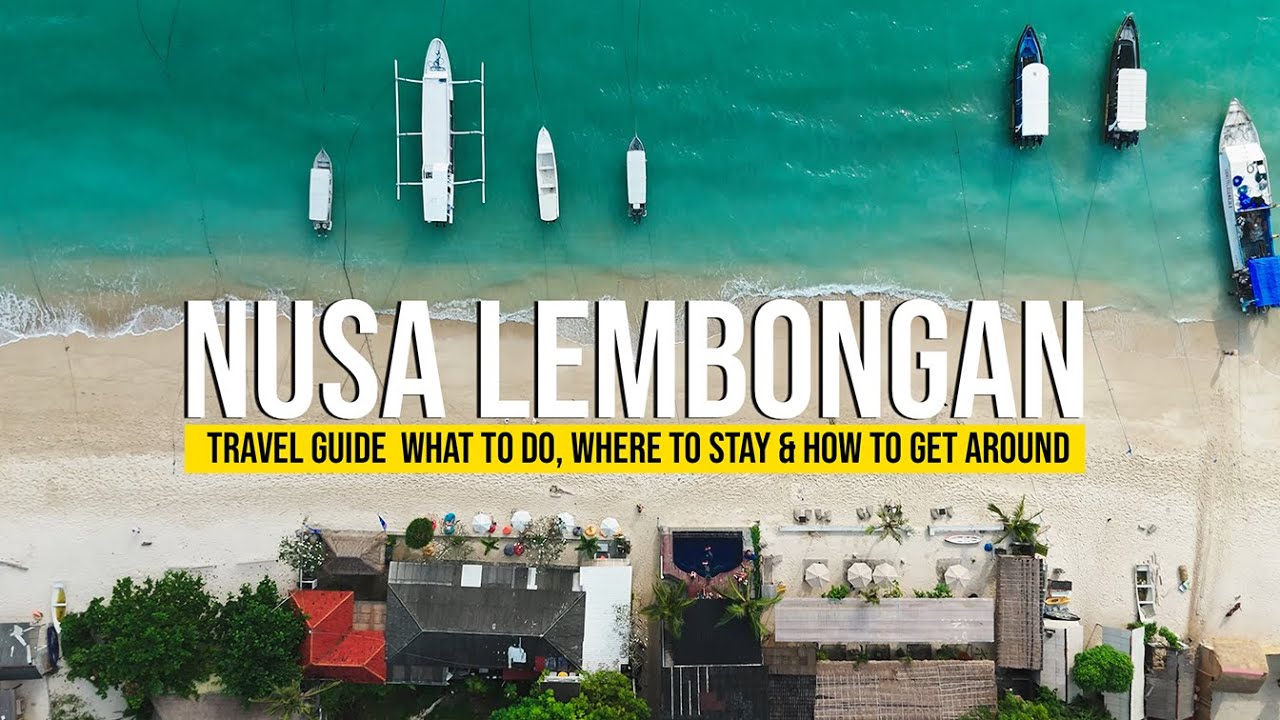
Nusa Lembongan is a small island southeast of Bali, separated from the mainland by a narrow stretch of water. It is part of a three island group: Nusa Lembongan, Nusa Ceningan, and Nusa Penida. Lembongan is the most developed of the three, but it is still much quieter than Bali. You get a mix of small beaches, cliff viewpoints, snorkeling and diving spots, low key cafes, and guesthouses, plus a few higher end resorts without anything massive.
You do not come here for shopping, nightlife, or endless activities. You come to slow down, swim, snorkel, watch sunsets, and do very little without feeling guilty about it. This island is built for simple days where the plan is beach, water, and food, then repeat.
Who Nusa Lembongan is for and who should skip it
Nusa Lembongan is a good fit if you want a calmer alternative to Bali, you enjoy swimming and ocean views, and you are happy with simple transport and slow days. I like it when I need to reset because the island is small enough that you can learn the layout in one day. If you like snorkeling, it is one of the most reliable places near Bali to see clear water without a long travel day.
You should skip it if you need nightlife, clubs, or late night food, because most places shut early. If you hate boats or rough sea crossings, the fast boat can be the worst part of the trip. If your trip is built around shopping or cultural attractions, you might feel bored.
How to get to Nusa Lembongan from Bali, step by step
Getting to Nusa Lembongan is straightforward, but it is not seamless. Step one is getting to Sanur Harbour on Bali’s east coast. If you are staying in Canggu, Ubud, or Seminyak, leave early because traffic can easily double travel time in the morning.
Step two is the fast boat. Boats run daily and take roughly 30 to 45 minutes depending on sea conditions and the operator. Boats usually land directly on the beach rather than at a pier, so expect to step into shallow water on arrival. Typical fast boat prices run around 150,000 to 250,000 IDR one way and 300,000 to 450,000 IDR return. Many operators include hotel pickup in Bali as part of the ticket price, but you need to confirm this before booking.
Step three is arrival on the island. On arrival, staff from guesthouses often meet passengers on the beach. If not, local drivers will offer transport. Prices are usually fixed or negotiable depending on distance.
Getting around the island
There are no cars for tourists in the way you would expect on Bali. Transport is simple: scooter rental, small pickup taxis operated by locals, and walking for short distances. Scooter rental is common and affordable, but roads can be narrow and uneven in places. If you are not confident on a scooter, use local drivers. Distances are short and prices are reasonable, so it is easy to move around without stress.
There is a yellow bridge connecting Nusa Lembongan to Nusa Ceningan, which you can cross by scooter or on foot. Crossing feels like a mini adventure, and it opens up a quieter part of the area with viewpoints and cafes. Just go slowly and avoid the bridge during peak scooter traffic.
Where to stay on Nusa Lembongan
Jungut Batu is the main area and the best base for most travelers. It has the most accommodation options, cafes, dive shops, and boat departures, so you can walk to most things. It feels busy compared to the rest of the island, but it still has a relaxed pace.
Mushroom Bay is a quieter beach area with calmer water and a relaxed feel. It is good for swimming, couples, and families. The trade off is fewer cafes and a bit more walking or scooters to get around.
Sandy Bay and the west coast give you clifftop views and sunsets. This area is more spread out and quieter. It is best if you are happy to scooter or arrange transport, and you want space rather than convenience.
Best things to do
- Snorkel with tours around Lembongan, Ceningan, and Penida.
- Relax at Dream Beach and Mushroom Bay when the tide is right.
- Visit Devil’s Tear to see waves slam into the cliffs.
- Catch sunset on the west side near Sandy Bay.
- Cross the yellow bridge to Nusa Ceningan for a quieter day.
You do not need a packed schedule here. The best days are usually one activity in the morning and a long beach or cafe afternoon without rushing.
Snorkeling and water activities
Nusa Lembongan snorkeling is the main reason people come. Tours usually visit spots around Lembongan, Ceningan, and Penida, and some include Manta Point if conditions allow. Visibility is best in the dry season, and the current can be strong in some areas, so it is worth choosing a reputable operator. I look for small groups, safety briefings, and clear answers about where we are going before I pay.
If you are not into snorkeling, you can still do kayak rentals, paddleboarding in calm bays, and beach swims at high tide. Diving is also solid if you want a deeper experience, but check whether you are comfortable with the currents. For families, Mushroom Bay tends to be the easiest place to get in the water without rough waves.
Beaches and viewpoints
Beaches here are small but scenic, and conditions change with the tides. Dream Beach is the most photogenic, but it can be rough for swimming when the surf is up. Mushroom Bay is calmer and more reliable, especially in the morning. Jungut Batu is longer and easier for a walk, but swimming depends on tide and seaweed.
For viewpoints, Devil’s Tear is the most dramatic, but keep a safe distance. Waves can surge without warning. The west coast cliffs near Sandy Bay are good for sunset, and if you cross to Nusa Ceningan you will find a few cliff cafes where you can take a break without crowds.
Best time to visit and weather
The dry season from roughly May to October is the most popular time to visit. Seas are generally calmer and visibility for snorkeling is better. That said, it is also the busiest season, so booking accommodation early helps if you want the best location. I like shoulder season in May or September because the weather is still good and there are fewer people.
The wet season can still be enjoyable, but crossings can be rougher and visibility underwater can drop after heavy rain. If you travel in the wet season, expect sudden downpours and build more flexibility into your boat day. I also bring a dry bag because beach landings can be splashy.
Costs and budget breakdown
Accommodation ranges from budget guesthouses to boutique stays. Budget rooms are affordable and widely available, mid range hotels are good value compared to Bali, and luxury resorts are limited but scenic. Food is simple and good value if you eat local, while western cafes are priced a little higher but still cheaper than the trendier spots in Bali.
Transport is inexpensive. Scooter rental is usually the cheapest option, and local taxis are reasonably priced for short distances. Activities are where costs can add up. Snorkeling trips are the main expense, and they range depending on group size and stops. Most land based activities are free or cheap. Overall, Nusa Lembongan costs are lower than many parts of Bali, especially if you are not chasing luxury.
- Fast boat: 300,000 to 450,000 IDR return.
- Scooter rental: 70,000 to 100,000 IDR per day.
- Local meal: 30,000 to 60,000 IDR.
- Snorkeling tour: 200,000 to 450,000 IDR.
- Mid range room: 500,000 to 900,000 IDR per night.
Sample itineraries
1 day: Arrive mid morning, explore Jungut Batu, relax on the beach, sunset viewpoint, early night. This is tight but doable if you are short on time.
2 days: Day one is beaches and viewpoints. Day two is a snorkeling trip in the morning, then a slow afternoon. This is the sweet spot for most people.
3 days: Day one is island exploration. Day two is snorkeling or diving. Day three is a day trip to Nusa Ceningan and a slow recovery. Three days gives you breathing room without getting bored.
Mistakes to avoid
- Trying to do Nusa Lembongan as a rushed half day trip.
- Underestimating sea conditions on boat crossings.
- Assuming ATMs and card payments are everywhere.
- Riding scooters if you are not confident or insured.
FAQ
- Is Nusa Lembongan worth visiting? Yes, especially if you want a calmer island experience without flying elsewhere. It is one of the easiest ways to get a different pace from Bali in under an hour by boat.
- How long should I stay? Two to three nights is ideal. One night is rushed, and more than three starts to feel repetitive unless you are diving.
- Is it better than Bali? It is not better or worse, just slower and simpler. If you want nightlife and shopping, Bali wins. If you want ocean time and quiet days, Lembongan wins.
- Do I need to book the boat in advance? In high season, yes. In shoulder season, you can often book a day before. I still prefer booking ahead so I can choose my operator.
- Is there good internet? Most cafes and hotels have decent Wi Fi, but it can be inconsistent during storms. If you need reliable connections, get a local SIM and a backup plan.
Related Bali guides
Keep building your Bali itinerary by comparing the main island with nearby escapes.